











research-based
Informed by the latest research into phonics, memory and learning.
unique learning styles
This system develops the child's unique strengths.
promotes a synesthetic approach
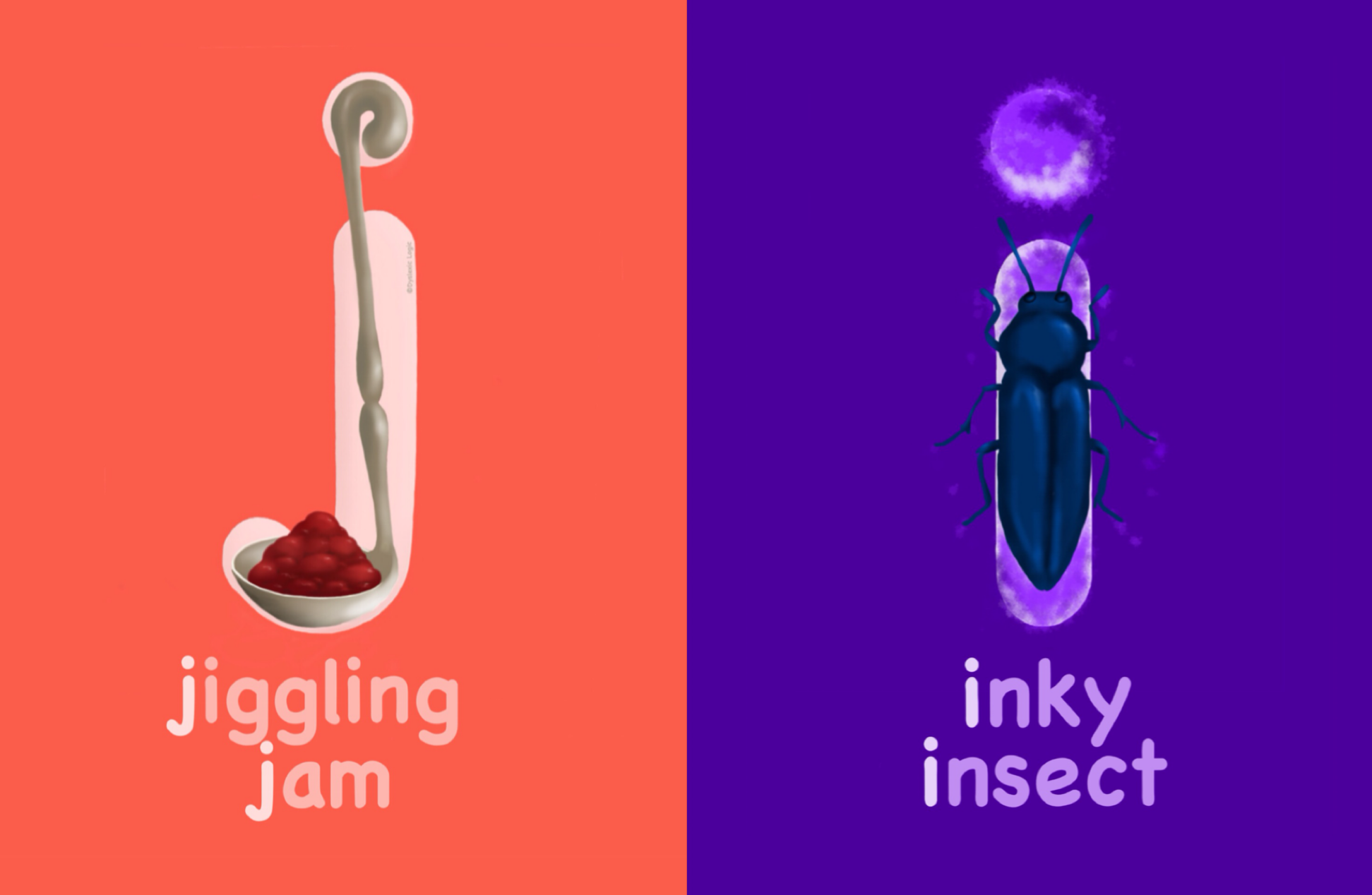
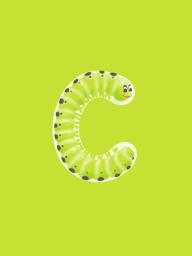
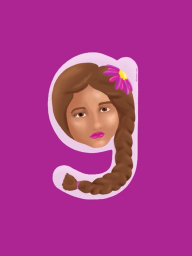
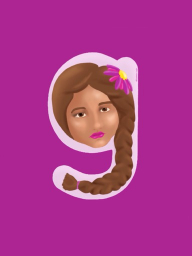
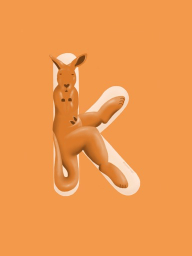
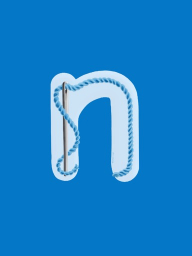
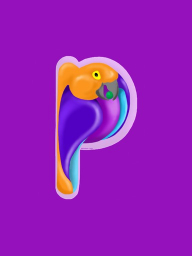
Using pictures, gesture, colour and rhythm to create an individually tailored programme.
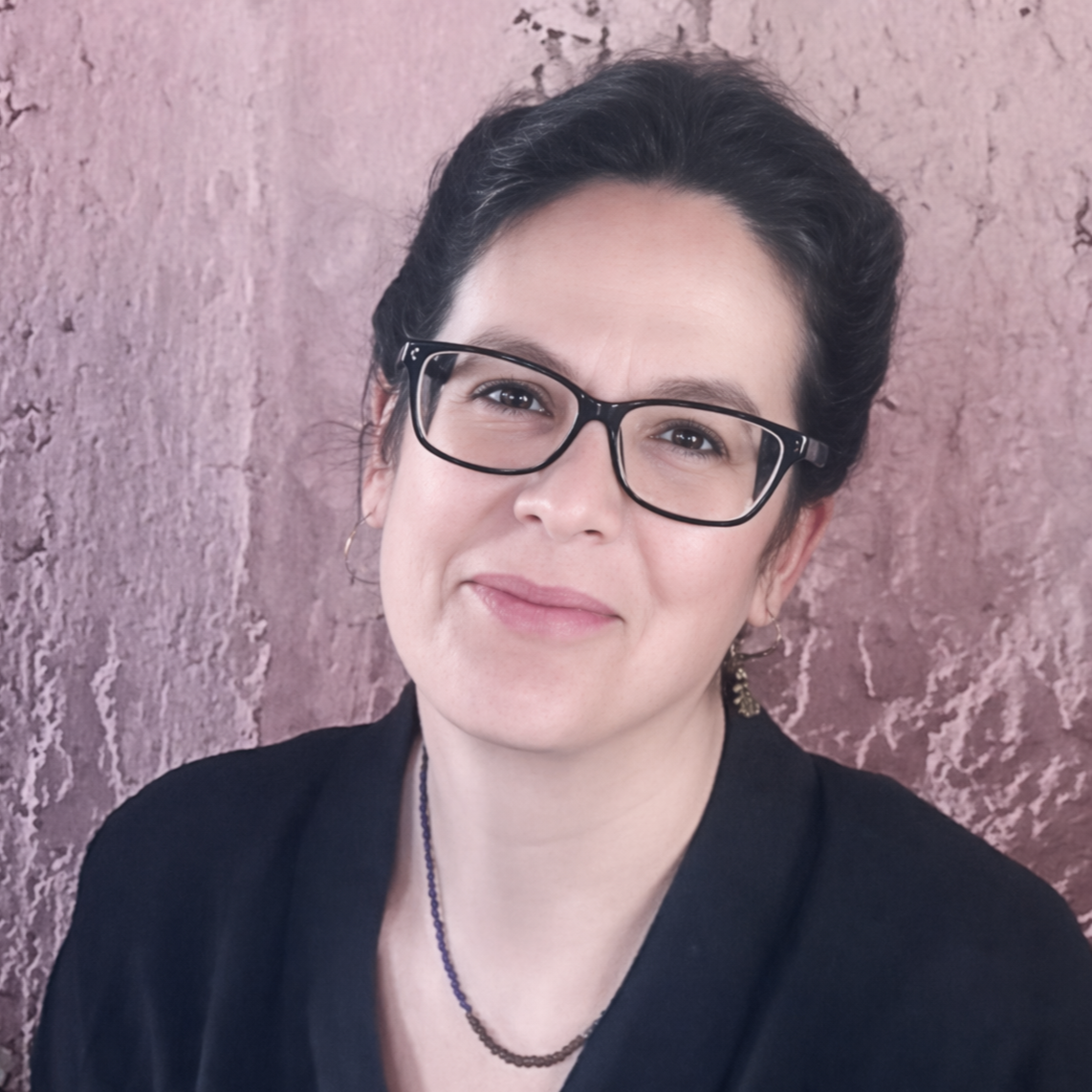
Dyslexic Logic is a specialist dyslexia support service set up by Alice Frendo, a Dyslexia Assessor and Teacher who is also dyslexic. Dyslexic Logic was formed to promote the early identification and excellent support that dyslexic students need to fulfil their true potential.
Dyslexic Logic Support Services provides a complete service including training and support programme development. Dyslexic Logic is also available as a 1-1 or small group tutored programme for home-school, additional support or online support service.
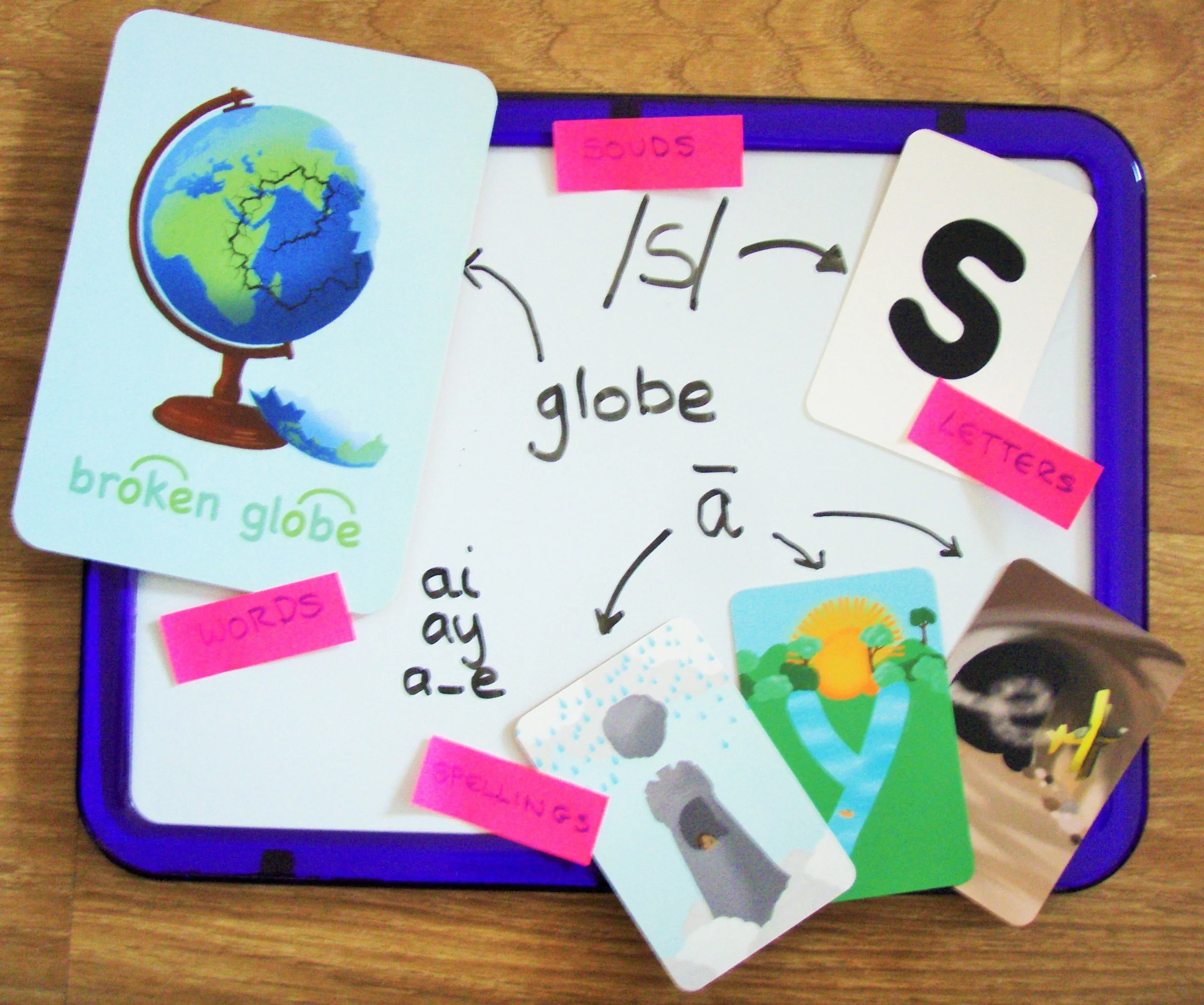
Dyslexic Logic promotes Synesthetic Learning, the idea that learning using all our senses creates a richer memory trace. This means that children are not learning lists of words or lists of spelling patterns, but rather pictures, gestures, stories and rhythms that provide stronger and more appropriate cues for dyslexic brains.
The Synesthetic Learning Programme provides Free Resources so that as many people as possible can access them. They are specifically developed for dyslexic learners and are based on taking a multisensory synthetic phonics-based approach to early literacy.
There are also Synesthetic Learning books and sounds-cards in the shop. These are designed to provide step by step guidance on how to deliver excellent literacy intervention. You don't need specific training to access these materials; they are suitable for teachers, teaching assistants and home-schooling parents to use.
If you haven’t found them yet ‘Dyslexia is our Superpower’ podcasts are the best. Positive stories of dyslexic people from all over the world gathered in one place. They explore all the big questions; growing up dyslexic, what would have helped, and what didn’t, life choices and how we found a way to thrive. The interviewer, Gibby Booth is an inspirational speaker, author and entrepreneur. She lives in the US, is dyslexic herself, and is passionate about the positives of being dyslexic.
I have spent the last few weeks fine-tuning a dyslexia friendly font. It was created simply because I couldn't find 'the perfect font' even after looking at all the dyslexia friendly fonts that already exist. The fonts all has issues-
One of the biggest challenges facing children with dyslexia is connecting the unconnected.
We have to make these connections every time we match a word with its meaning, link a word to its spelling pattern or a letter to its sound. A huge part of becoming literate is remembering unconnected pairings. These pairings, which quickly become automatic for so many children often don’t for children with dyslexia. Typically, young children with dyslexia will either…
Mind mapping is often recommended as a way to support children with dyslexia. It is often suggested as a way to help with planning longer written work or sketching out ideas. It is a great way of reducing the number of words a child has to read and write to access and record information. However, mind maps can play a much more fundamental role in learning and revision.
Many teachers and parents find it hard to tell a child they have dyslexia. It is a ‘lifelong learning disorder’ after all, and who wants to have one of those. Even the British Dyslexia Association describes it as ‘a lifelong, usually genetic, inherited condition’. It doesn’t sound like good news. And this brings me to my first point…. The do’s and don'ts of breaking the news.
If dyslexia runs in your family you may have a good idea that your child is dyslexic long before professionals are ready to acknowledge it, or support and assess them. However, it is increasingly clear that early intervention is critical, so here are the warning signs and how you can give your child the best start.
BAD HANDWRITING CAN BE A SIGN OF HARD WORK - I wrote this in my book, but feel it is actually SO important I would like to share it more widely. It is something we get wrong time and time again. In forcing children to focus on their handwriting, spelling and punctuation we limit their ability to think and crush their creativity, the very things that are most likely to help them as adults with dyslexia.
I have recently had a breakthrough with a new student who hadn’t been able to progress past 1-1 grapheme-phoneme correspondences for years. He couldn’t quite get past the idea that one letter represented one sound. The key to the breakthrough was sound buttons. Suddenly we had a shared visual language to explore the relationships between letters and sounds. In the space of a few weeks, he is now able to read words like ‘toffee’, ‘bleach’ and ‘rainbow’.